4 Critical Tips for “Cinematic” Street Photography
Venice Beach is one of the most iconic locations in Los Angeles, and arguably in the United States. It’s also a gold mine for street photography, and not just any street photography, but story and subject-driven images that could almost be movie stills.
The kind of thing that the internet has recently labeled “cinematic” street photography.
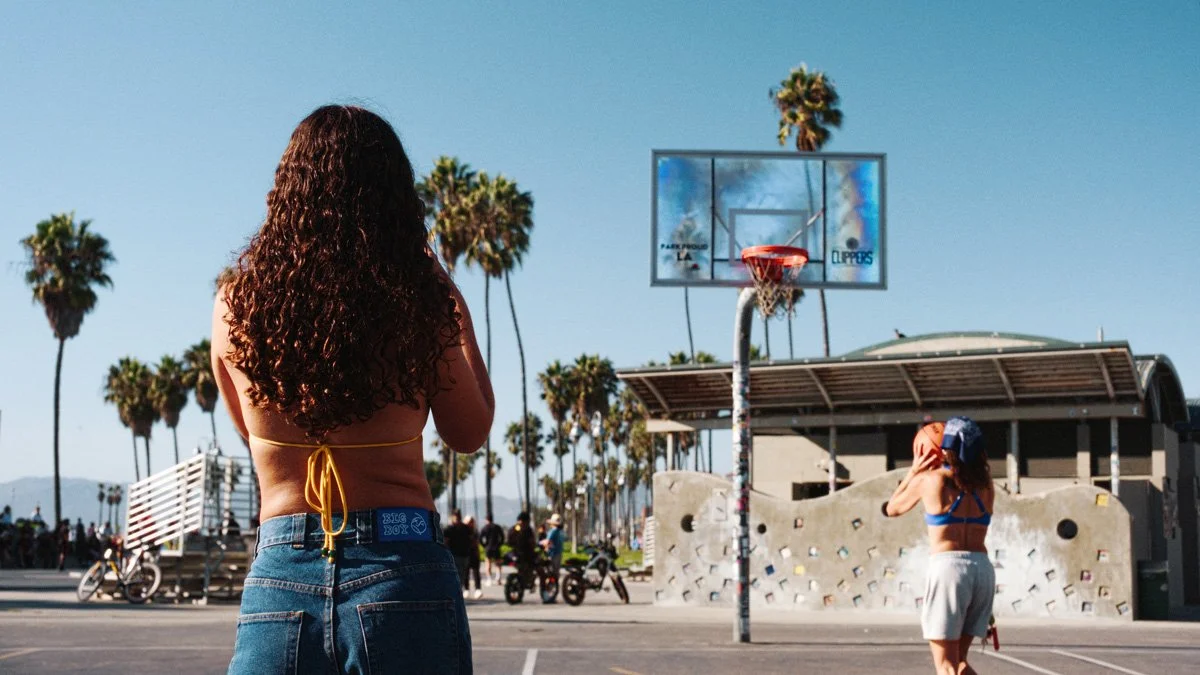
In this article, I’ll share how I finally broke my Venice Beach curse and created cinematic street photography shots that feel like movie stills — using the Fujifilm X-H2s and Sigma 18-50mm F2.8. Whether you’re a beginner or seasoned photographer, these tips will help you elevate your street photography game.
Check out the video on YouTube!
Tip #0.5 Go Where the Action Is
I’m not going to be lazy and call this a “tip”. This first part is more of a prerequisite to making sure the following advice has maximum impact on your upcoming street photography sessions.
The first rule of great street photography is simple: find where people naturally congregate. Even in a huge city like Los Angeles, where I shot this particular video, there are dead zones where there just isn’t much foot traffic.
For cinematic street shots, you want vibrant, human-centered scenes, and for that, you need people.
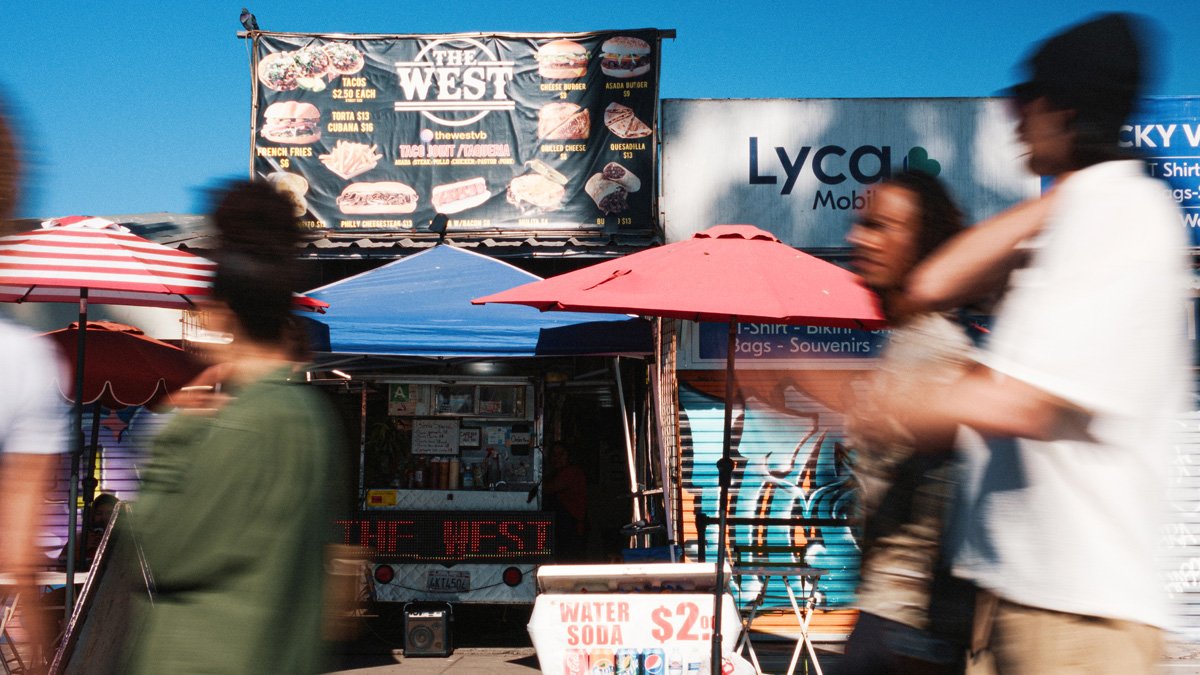
Wherever in the world you’re reading this from, find that spot in your city or town where people naturally congregate to give yourself the best chance of success and the largest subject sample size.
1. Focus on Subjects That Feel Like Characters
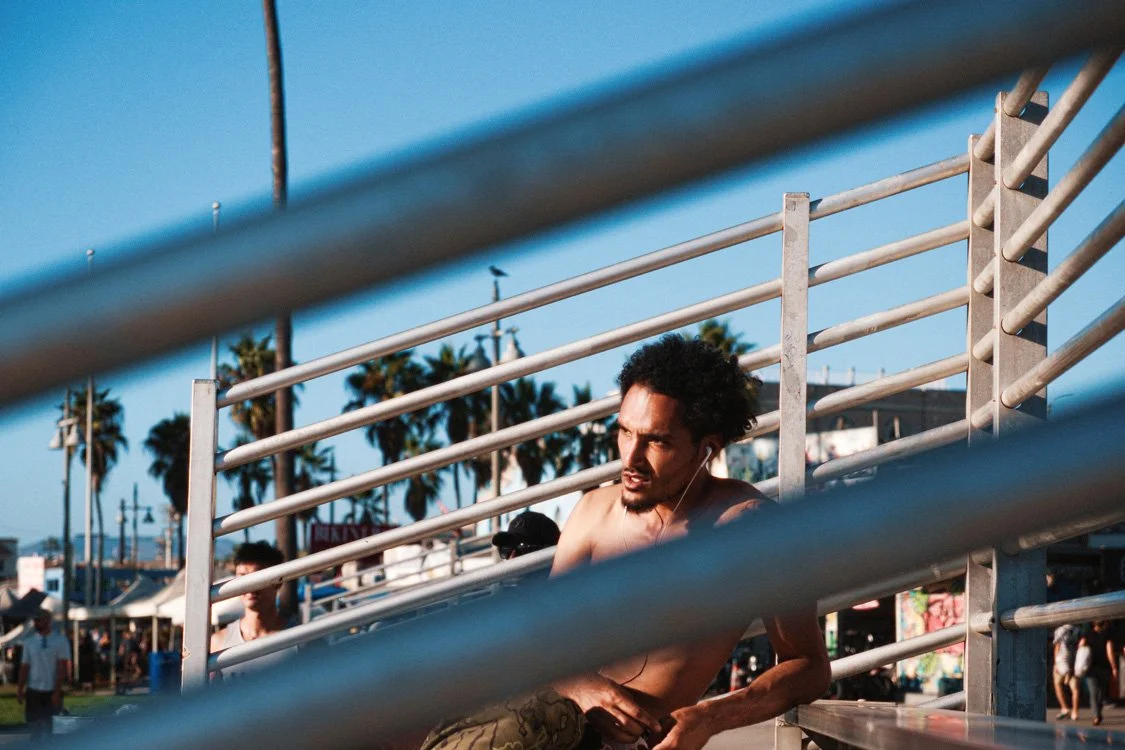
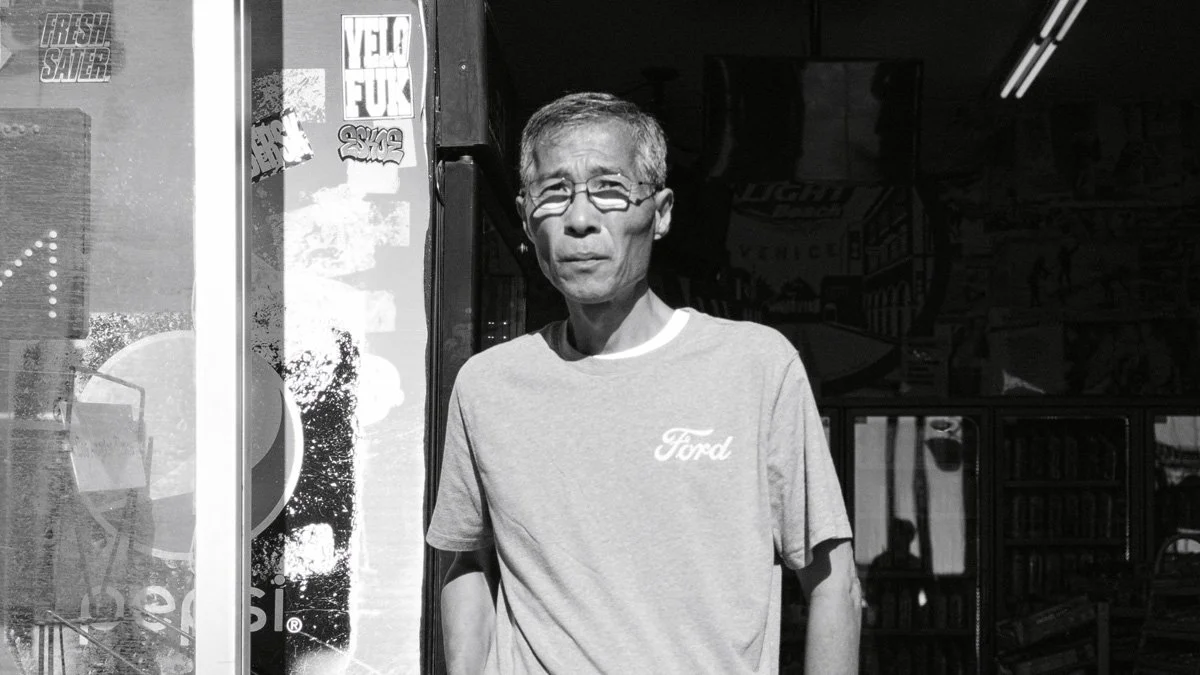
Cinematic street photography is all about turning total strangers into compelling screen-worthy characters. You can achieve this by:
Isolation: Make your subject stand out from the crowd or the background.
Intentional framing: Place subjects as though they were “posed” in the scene.
Color and style: Look for people wearing distinctive outfits, hats, or statement colors.

2. Incorporate Movement and Action
Movement adds cinematic energy to street photography. Some techniques include:
Motion blur: Slow your shutter speed to capture dynamic movement, such as cars or people walking.
Timing action just right: Catch subjects mid-action, creating the feeling of a narrative moment.
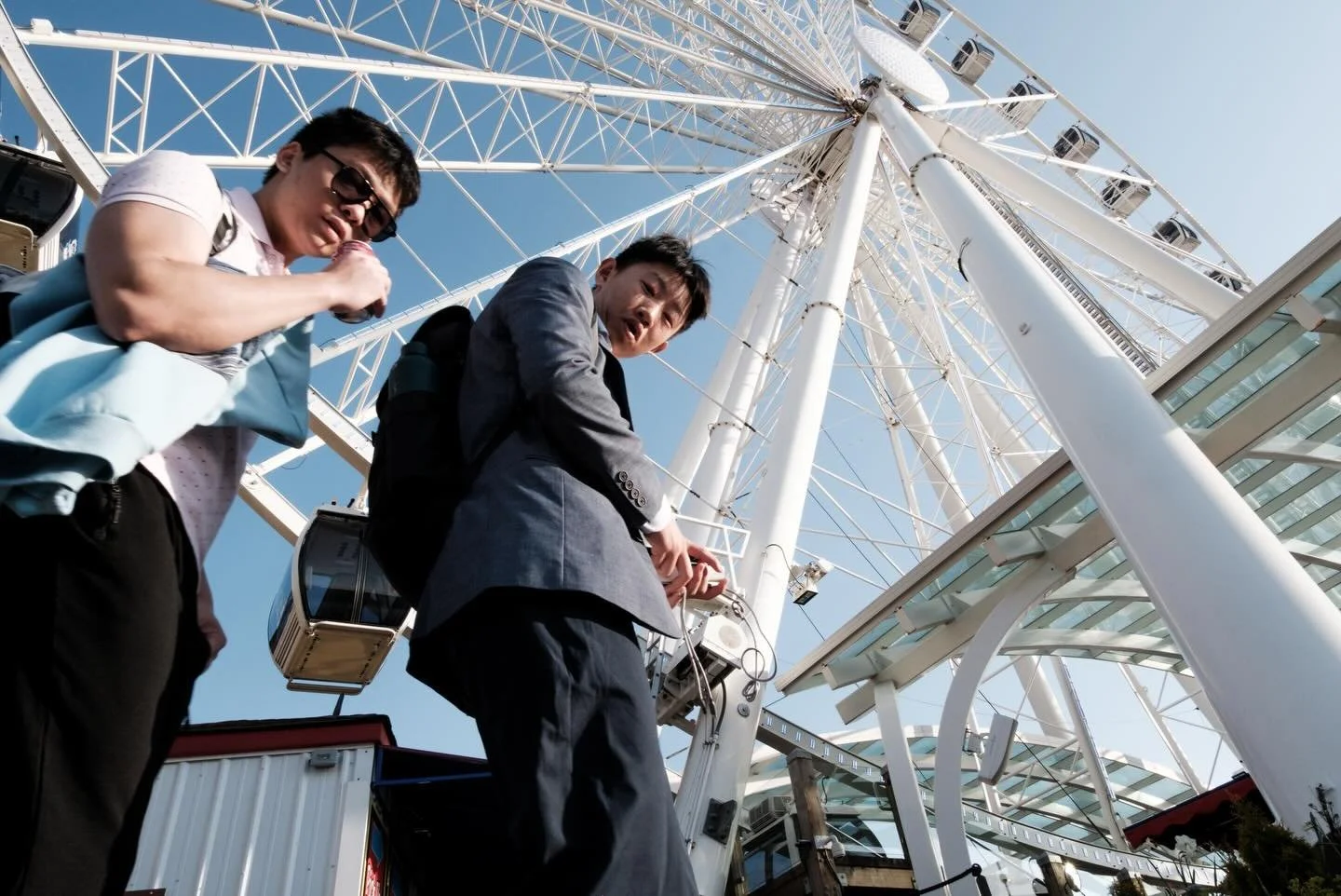
Dramatic angles: Unique angles (especially low-angle shots) can exaggerate motion and make characters appear larger than life.
These approaches help your photos feel alive and story-driven, rather than static snapshots.
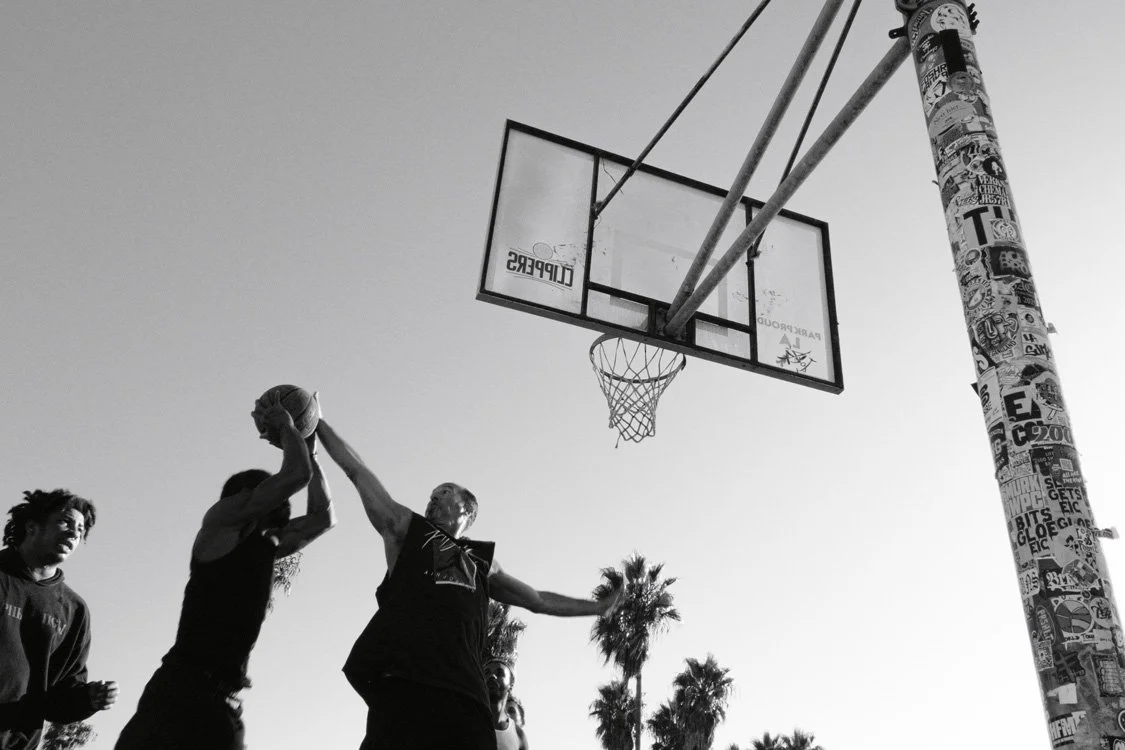
3. Focus on Color, Geometry, and Frames
Movies are shot in controlled environments, with cinematographers carefully tweaking light, composition, and color.
Street photography doesn’t have that luxury, but you can still create harmonious, geometric, and colorful compositions if you’re careful, patient, and intentional about how you approach your composition. While street photography is often thought of as a hectic, fast-paced genre of photography, it’s not always about reflexes and spontaneity.
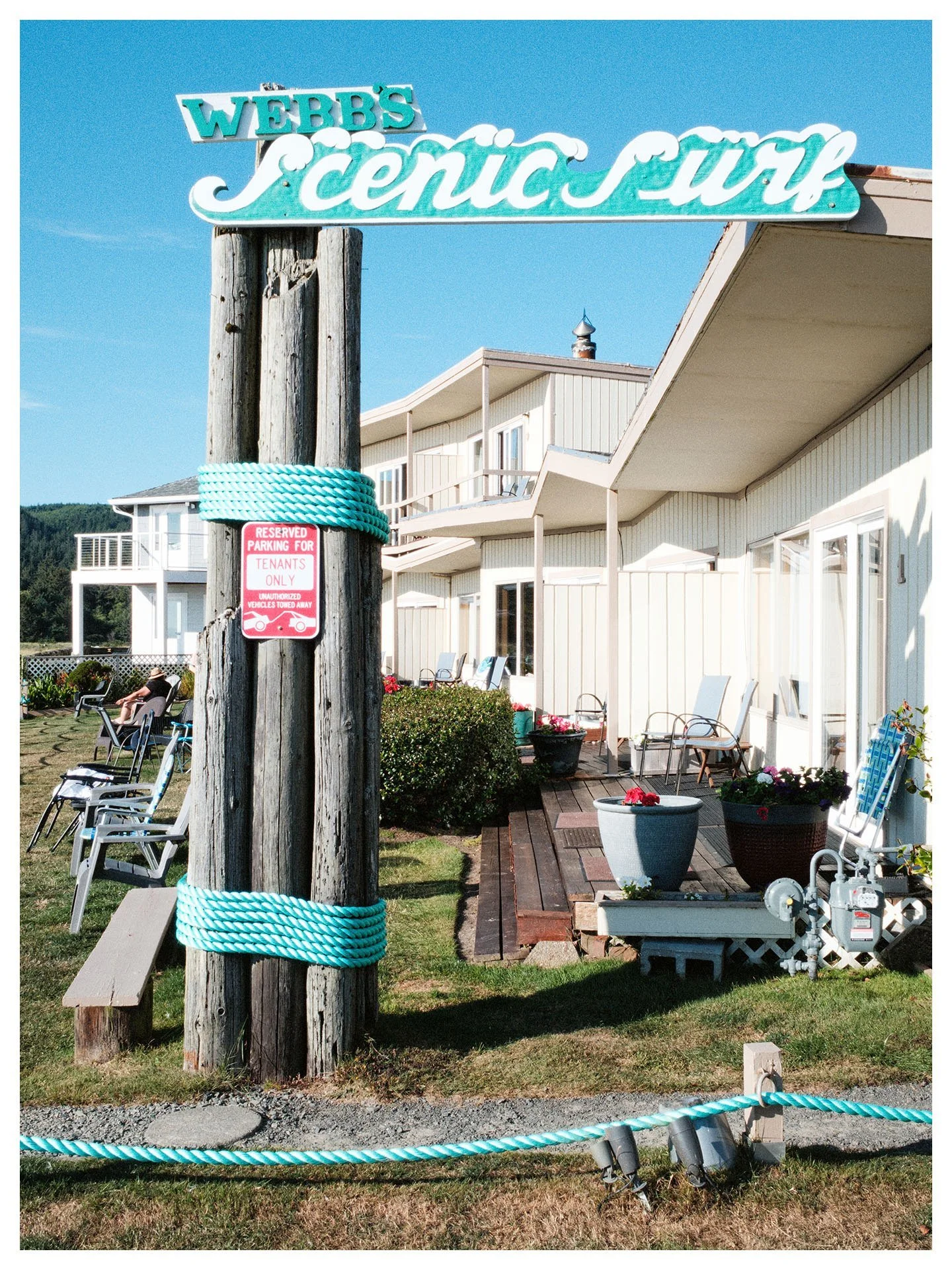
Look for repetition of colors or color harmony in your subjects’ clothing and their surroundings.
Use leading lines and natural frames to isolate your main subject.
Pay attention to light quality. Backlit or side-lit scenes and silhouettes can add drama.
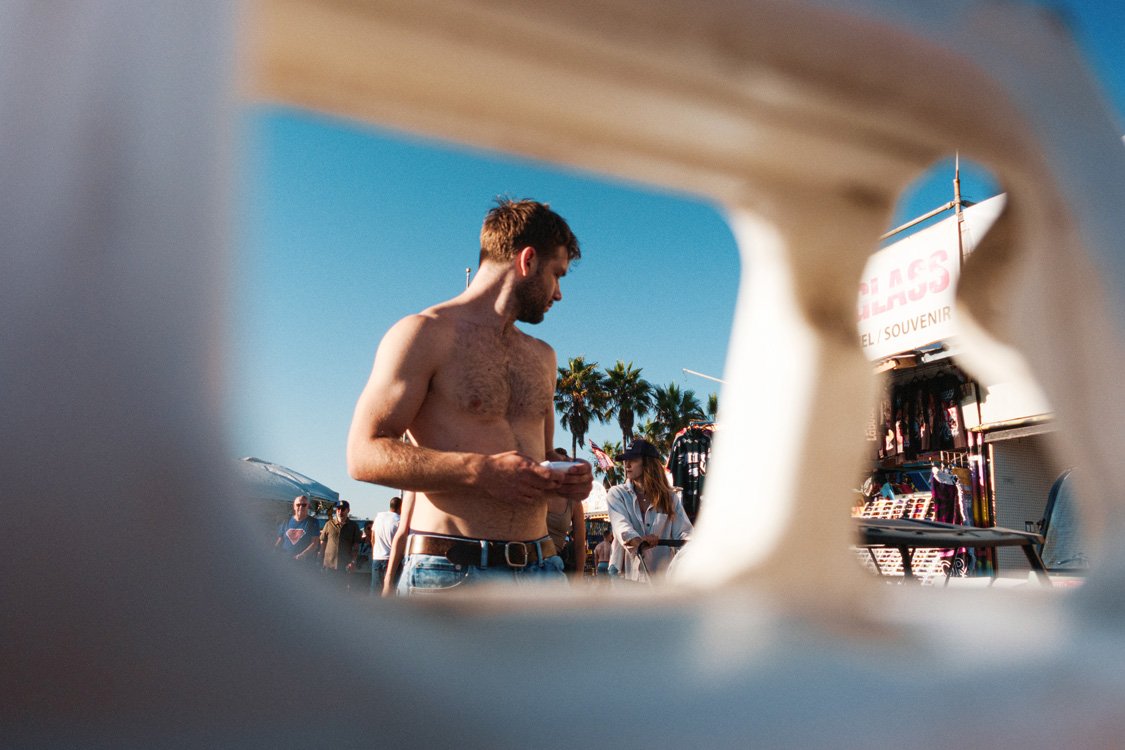
4. Storytelling Is Everything
The hallmark of cinematic street photography is images that tell a story, that convey an emotion, that connect you to a character or moment.
How can this be replicated in street photography? By combining everything we’ve discussed so far with a little bit of luck, a lot of practice, and putting in the time.
I think a lot about how nearly every decent street photograph I walk away with is the result of either luck, practice, or time.
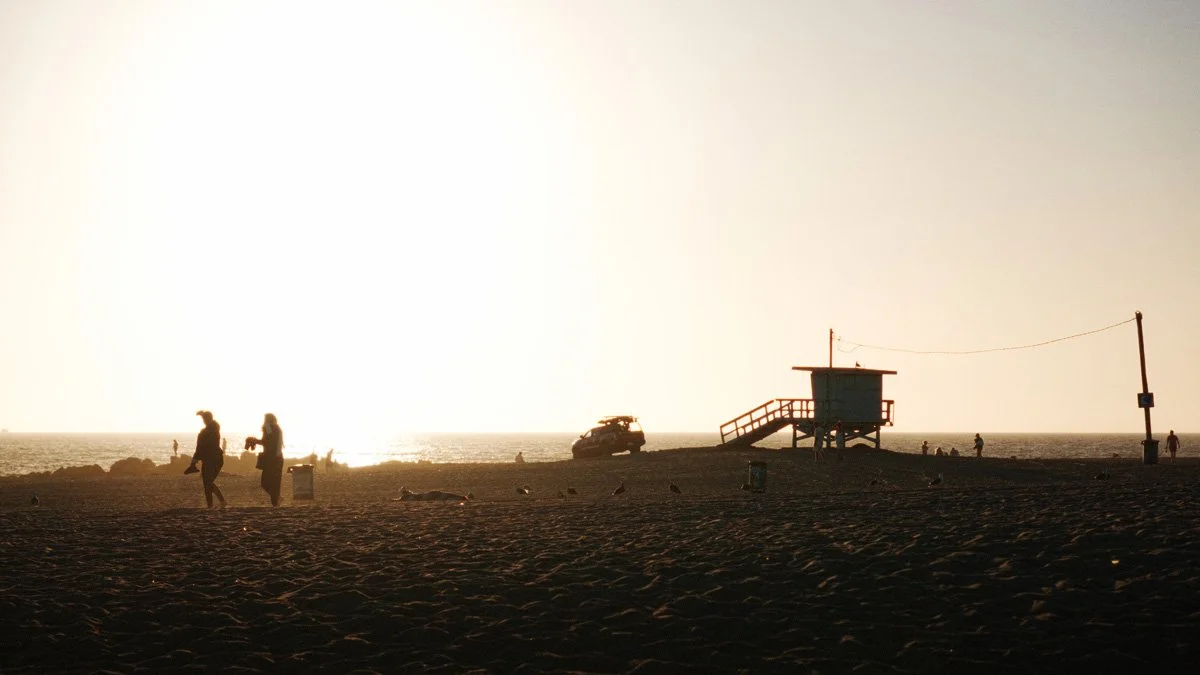
Street photographers often “fish” for shots, and this is a great tactic for controlling at least some aspects of the scene in front of you.
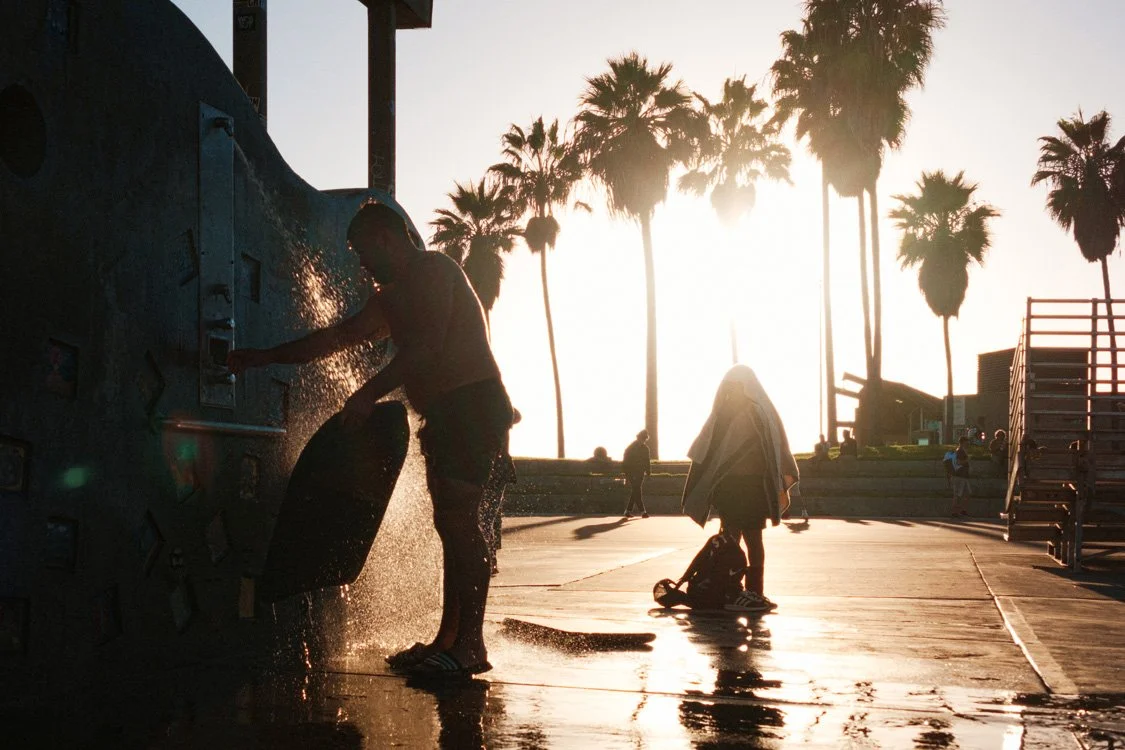
I love to find a promising frame and wait for the right subject to enter it. It requires patience, persistence, and confidence to keep the camera up and wait for the right person. But when it pays off, it often takes your scene from fine to fantastic very quickly.
Final Thoughts
Cinematic street photography is about more than just taking a picture. It’s about creating or implying a story with nothing but your surroundings and a bunch of random strangers who may or may not behave as you want them to.
Turning everyday life into something cinematic is always challenging, but rewarding nonetheless.
As always, I appreciate you reading this! For more on street photography, travel, and composition tips like this, check out my other blog posts or head over to YouTube, where I share new videos every single week.
Thanks again, and good luck out there!